


Data center design revolution modular data center
KSTAR News, 2020.4.13
In traditional data centres, air conditioning is required to cool equipment because it generates a significant amount of heat during operation. Otherwise, equipment such as servers may automatically shut down when the temperature becomes too high.
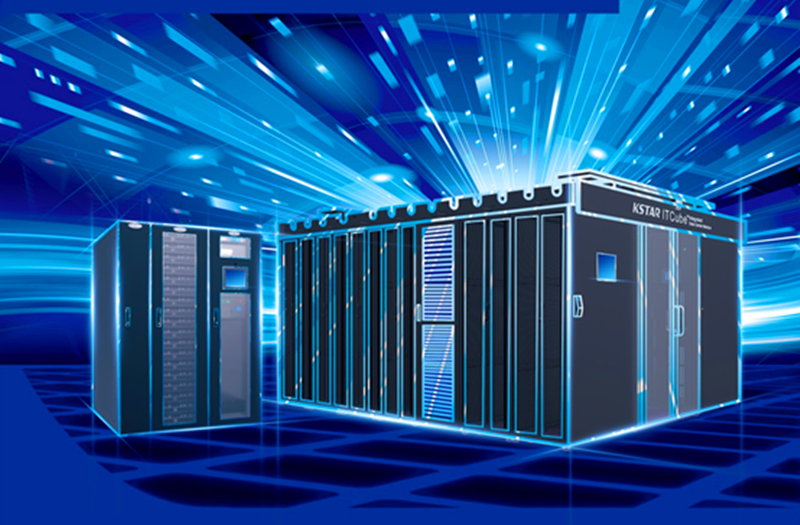
To improve air-conditioning efficiency, designers developed Underfloor Air Distribution Systems. In these systems, the air conditioner delivers cool air beneath a raised floor, directing it towards the IT racks. The cool air then rises through floor openings and reaches the front of the servers. Fans inside the servers draw in the cool airflow to dissipate heat and expel the hot air from the rear. This was the earliest cooling approach based on underfloor air distribution and raised-floor systems.
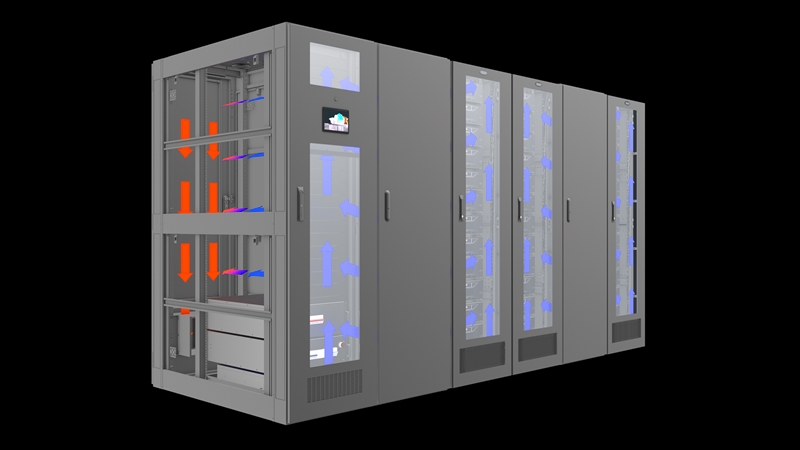
Later, to make better use of the cool air and reduce air-conditioning electricity costs, engineers enclosed the cabinets so that the cool air could flow through a dedicated channel. As well as improving energy efficiency, this design created a so-called "cold aisle" within the enclosed space. The cool air could be distributed more evenly, preventing servers from shutting down due to insufficient cooling.
Some engineers then placed UPS systems, batteries and other power supply and backup equipment inside the enclosed channel, allowing them to supply power to nearby equipment. This led to the development of a so-called "distributed power supply" system. After continuous improvements, the modular data centre eventually emerged, integrating power supply, cooling, backup power, fire protection and monitoring systems into a complete, compact data centre facility.
At the same time, it became clear that this structure could be configured flexibly according to the scale of the business and prefabricated in a factory in advance. On-site installation therefore requires less work and time, while also improving energy efficiency.
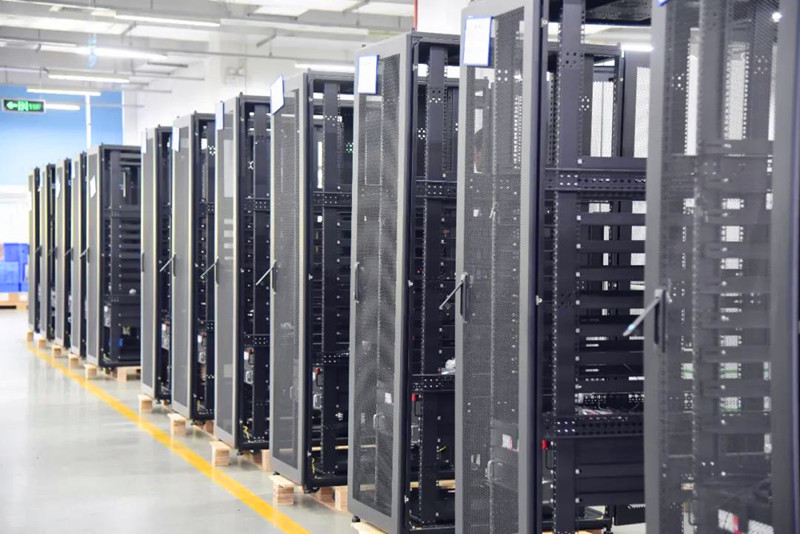
Modular data centres offer many advantages, and their value has been widely recognised across various industries to meet different user requirements. Generally, the main advantages of micro-module data centres include:
1. Rapid deployment
2. Flexible expansion and a quick response to changing business needs
3. Intelligent operation and maintenance, with improved energy efficiency
According to expert predictions, data centres will develop towards two extremes: hyperscale data centres and edge data centres. Modular data centres can also adapt well to these trends.
For hyperscale data centres, modular design has become a preferred choice for designers. From modular campus planning to modular data centre rooms, the concepts of phased deployment and capacity expansion remain consistent. For edge data centres, micro-module data centres have become an almost standard option due to considerations such as space, construction and system integration.
Want to know more about Kstar modular data centres? Click: Kstar Modular Data Centre & Integrated Solutions
