


To our clients Top 3 things you should know about the coronavirus
KSTAR News, 2020.3.23
Countries around the world are taking similar measures to contain the outbreak of the novel coronavirus. To help our clients fight COVID-19, we have collected information about the coronavirus, including how it spreads, its symptoms and how to prevent infection. For more information, please visit the WHO's coronavirus pages.
Know How It Spreads
COVID-19, like the flu, can spread from person to person. Droplet transmission is one of the main ways the virus spreads.
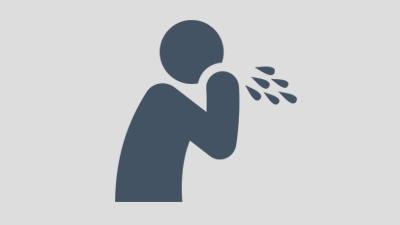
• Droplet transmission: When a person with COVID-19 coughs, sneezes or talks, they may release virus-containing droplets over a short distance. These droplets can land in the mouths or noses of people nearby or possibly be inhaled into their lungs.
• Contact transmission: People may also contract COVID-19 by touching a surface or object contaminated with the virus and then touching their own mouth, nose or possibly their eyes.
• Aerosol transmission: The novel coronavirus can attach to tiny liquid or solid particles that remain suspended in the air and cause infection. However, aerosols do not form in every location. When air flows at a sufficient speed, the virus is quickly diluted.
Symptoms of COVID-19
Symptoms vary from person to person. COVID-19 may cause few or no symptoms, but it can also lead to severe illness and may be fatal. Common symptoms include:
• Fever, fatigue and dry cough.
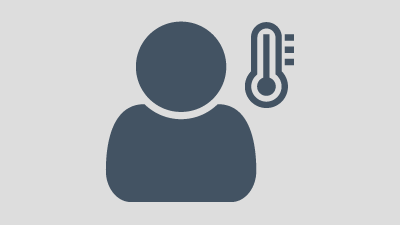
• In some cases: a blocked nose, runny nose, sore throat and diarrhoea.
How to Prevent COVID-19
• Members of the public are advised to go out less and reduce social activities, such as shared meals and other gatherings. Maintain an appropriate distance of at least 1.5 metres from other people whenever possible.
• Maintaining strict personal and environmental hygiene at all times is essential for protecting yourself against infection and preventing the spread of the disease in the community.
• Wear a surgical mask when using public transport or staying in crowded places. Wear it properly, and practise hand hygiene before putting it on and after taking it off.

• Surgical masks can help prevent the transmission of respiratory viruses from infected people. Anyone experiencing symptoms, even mild ones, should wear a surgical mask.
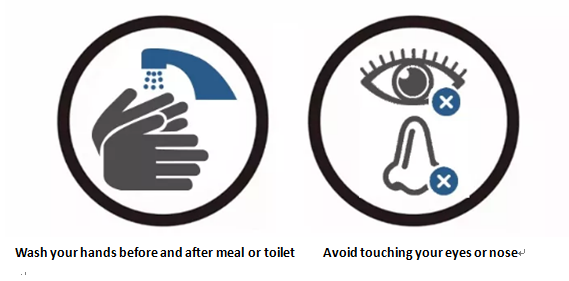
• Practise hand hygiene frequently, especially before touching your mouth, nose or eyes; before eating; after using the toilet; and after touching public surfaces such as handrails or door handles. Wash your hands with liquid soap and water, rubbing them for at least 20 seconds. Rinse with water and dry with a disposable paper towel. If handwashing facilities are unavailable, or when your hands are not visibly soiled, using an alcohol-based hand rub containing 70–80% alcohol is an effective alternative.
• Open windows as much as possible to maintain good airflow.
• If you have respiratory symptoms, wear a surgical mask, stay away from work or school, avoid crowded places and seek medical advice promptly.
• Clean and disinfect frequently touched surfaces daily. These include tables, door handles, light switches, benchtops, handles, desks, phones, keyboards, toilets, taps and sinks.
The novel coronavirus is spreading rapidly. However, there is no need to become overly anxious or distressed. We understand your concerns and believe that, through everyone's efforts, the epidemic can be overcome!
